
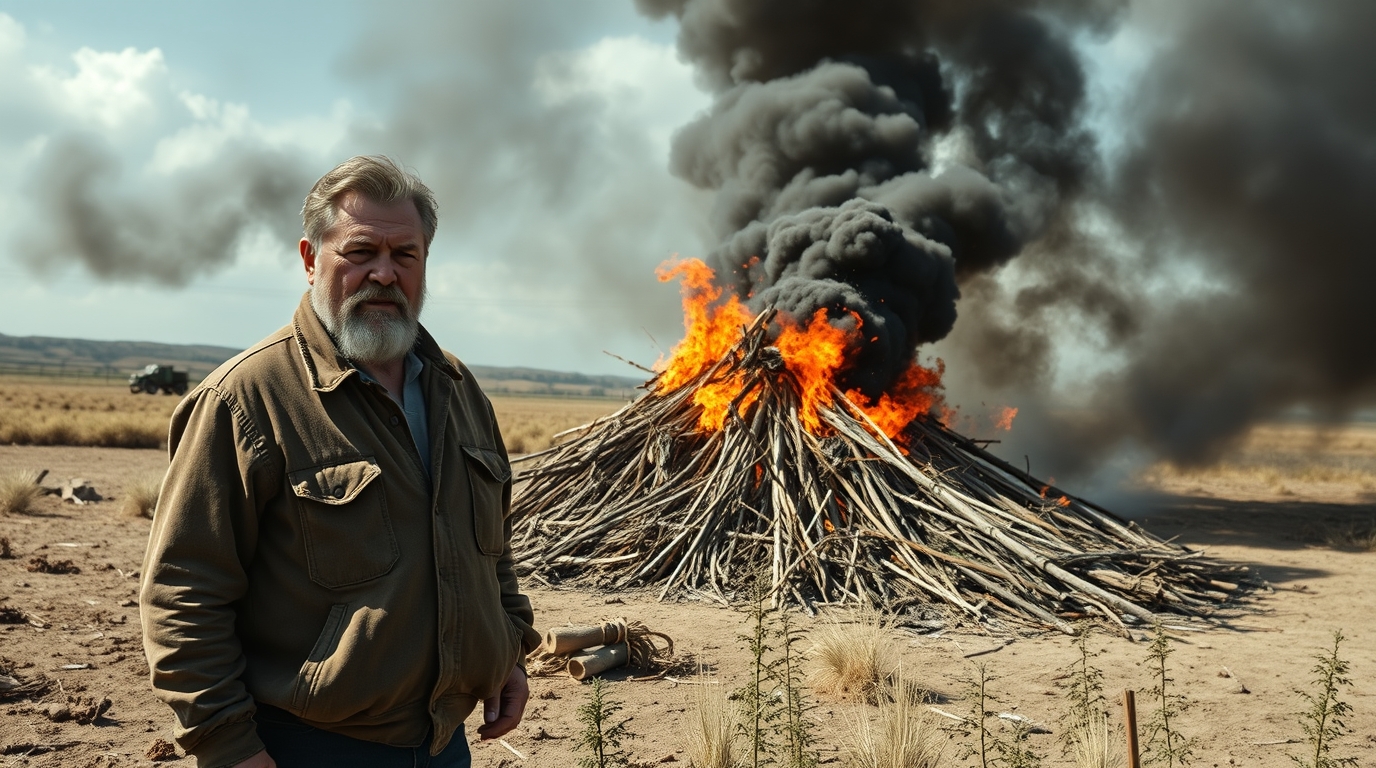
The CBD market collapse actively destroys generational farm equity across the Western Slope of Colorado this morning. Desperate hemp farmers are literally setting fire to thousands of tons of rotting biomass just to clear their fields. What was once pitched as a miracle cash crop has turned into an absolute market-crash for independent growers. If you converted premium corn dirt into hemp acreage, your break-even point is officially dead.
The break-even reality of the CBD market collapse
You cannot cash flow a massive agricultural operation when wholesale prices plunge from $40 per pound to absolute pennies. Processing facilities are completely full, leaving unextracted hemp to rot inside expensive heavy iron storage sheds. This massive yield-killer forces farmers to burn their inventory using expensive $4.85 per gallon red-dyed diesel. Following our urgent report on how IRS TikTok farm audits are targeting fake online ranchers, this real disaster proves how volatile markets destroy equity.
Regulatory red tape and destroyed cash-rent margins
The physical logistics of disposing of a federally regulated crop involve massive amounts of bureaucratic red tape. According to the Food and Drug Administration (FDA), regulatory uncertainty continues to bottleneck large-scale commercial extraction. Without a clear federal pathway, massive corporate buyers abandoned the sector, leaving local farmers holding the bag.
- Crashing basis: The local cash basis for hemp fiber simply does not exist anymore, trapping thousands of acres in negative equity.
- Crop insurance void: The Colorado State University Extension warns that generic crop insurance often fails to cover unharvested specialty crops.
- Cash-rent pressure: You must pivot back to traditional commodities immediately before you default on your heavy farm loans.
You cannot negotiate with a rotting pile of organic matter during this CBD market collapse. Fire up the tractor and aggressively clear your fields before the next planting season begins. Secure reliable seed for traditional cash crops and protect your dirt from the next corporate agricultural bubble.